
The Nervous System Reset Accelerator

The Nervous System Reset Accelerator is a simple, practical program designed to help you turn nervou...
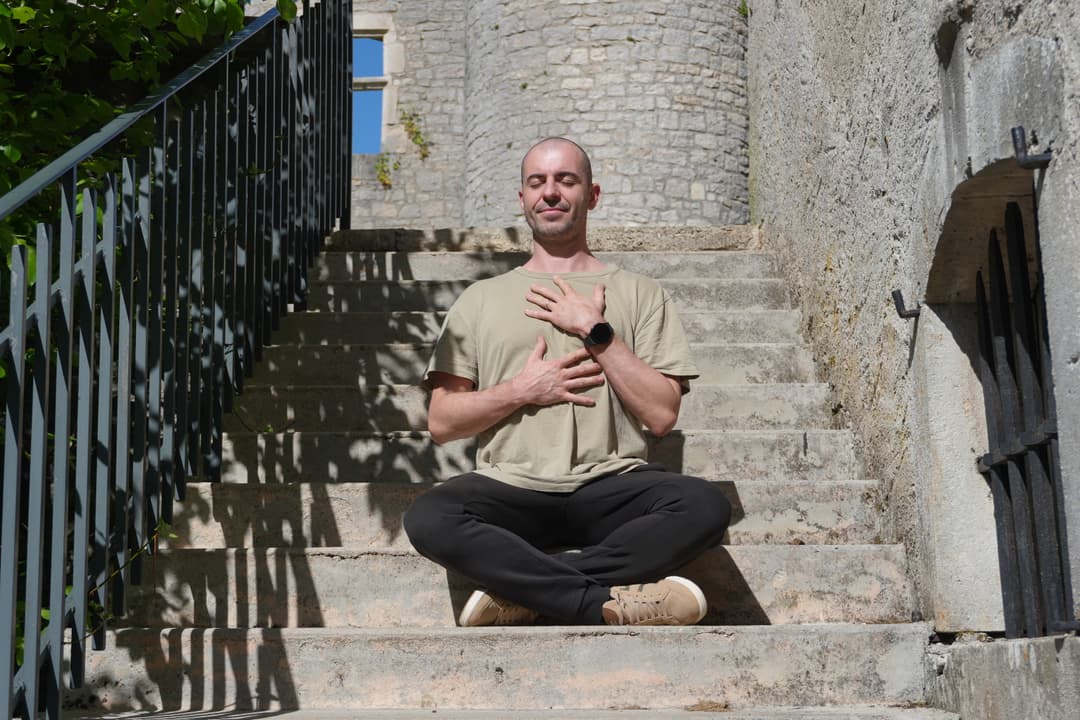

The Nervous System Reset Accelerator is a simple, practical program designed to help you turn nervous-system awareness into daily action. Learn 3 simple routines using Hatha yoga, breathwork, and meditation to help you start regulate stress, feel more grounded, and respond to pressure without falling back into old patterns.
Course Content
The Morning Routine To Build Awareness & Resilience
Module Overview: In this module, you will learn how to use a simple morning yoga practice to develop two essential skills: awareness and resilience. Through two guided 15-minute yoga sessions, you will explore two complementary approaches to movement: flowing sequences and held postures. Each practice has a specific purpose, helping you understand how movement and stillness can support your nervous system, body awareness, and ability to navigate discomfort. What You Will Learn: Practice 1 — Flow to Awaken & Release Through gentle, flowing movements synchronized with your breath, you will learn how to warm up your body, release physical tension, and encourage the movement of energy after periods of rest or inactivity. The focus is on creating fluidity, reconnecting with your body, and developing awareness of how movement and breath influence the way you feel. Practice 2 — Hold to Build Awareness & Resilience: Through simple yoga postures held for several breaths, you will learn to observe physical sensations, thoughts, and emotions as they arise. Rather than immediately reacting to discomfort or trying to escape it, you will practice staying present, breathing through manageable challenges, and recognizing when to soften or adjust. This helps you gradually build resilience by developing patience, self-awareness, and the ability to respond rather than react. Your Learning Objective: By the end of this module, you will have experienced how movement can help you reconnect with your body and how stillness can teach you to remain present when things feel challenging. You will begin to understand that resilience is not about pushing harder, but about learning to stay connected to yourself, even when discomfort arises. Both practices are beginner-friendly and can be adapted to your needs. Start gently, respect your limits, and remember that the goal is not perfection, but consistency and awareness. Your daily commitment: 15 minutes to move, 15 minutes to build resilience, and a new opportunity every morning to reconnect with yourself. I highly recommend you commit to practice every single morning for the next 2 weeks to start noticing shift within yourself. Sometimes we have to push ourselves, and that's totally normal and it is part of the process. Hold on, you got this!
The Afterwork Nervous System Routine
Module Overview: In this module, you will learn how to use a simple restorative yoga practice to help you transition from a busy workday into a more relaxed state. Through one guided practice combining "Viparita Karani (Legs-Up-the-Wall Pose)" and "Viloma Pranayama (a breathing technique)", you will explore how supported stillness and mindful breathing can help you slow down, reconnect with your body, and create space between the demands of your day and your personal life. You don't need any previous yoga experience. I'll guide you through the practice step by step, so you can feel comfortable taking this time for yourself. What You Will Learn: Practice — Restore & Unwind Through Viparita Karani, a restorative yoga pose where your legs are supported and elevated, you will learn how to settle into a comfortable position and give yourself permission to pause after a demanding day. Combined with Viloma Pranayama, a breathing technique that introduces gentle pauses during the inhale or exhale, you'll explore how paying attention to your breath can help you slow down and become more aware of the connection between your breathing, body, and state of mind. The focus is not on forcing yourself to relax, but on creating the conditions for your body and mind to gradually settle. You will practice letting go of the need to keep doing and give yourself a few quiet moments to simply be. Your Learning Objective: In this module, you will have learned a simple practice you can return to whenever you need help creating a transition between work and rest. You will begin to understand that nervous system regulation isn't only about what you do during stressful moments. It's also about creating regular opportunities to pause, notice how you feel, and support your body's recovery after periods of pressure. Remember, the goal isn't to force yourself to feel calm or to do the practice perfectly. It's to build a gentle habit of checking in with yourself and responding to what you need. Both Viparita Karani and Viloma Pranayama can be adapted to your comfort level. Follow the guidance, breathe naturally without forcing your breath, and adjust or stop whenever you feel uncomfortable. Your daily commitment: Set aside 10–15 minutes after work to slow down, reconnect with yourself, and create a more intentional transition into your evening. I encourage you to practice regularly over the next two weeks. You don't need to feel a dramatic difference after every session. Give yourself time to become familiar with the practice and notice how you feel before and after. Some days, slowing down may feel easy; on others, your mind may keep racing. That's okay. The goal isn't to force relaxation, but to keep showing up for yourself, one practice at a time.
Your Bonus Yoga Nidra Routine
Module Overview: In this module, you will learn how to use Yoga Nidra to support your nervous system, release built-up stress, and give yourself permission to rest. Yoga Nidra, often called yogic sleep, is a guided relaxation practice that allows you to explore the space between wakefulness and sleep while remaining gently aware. You don't have to do anything, simply lie down in a comfortable position and follow my voice. This is in my opinion the most easiest and practical yogic tool I know when it comes to reset the nervous system! Through this practice, you will explore how to slow down, turn your attention inward, and create space for recovery after the demands of everyday life. The Practice — Rest, Release & Recharge During this guided Yoga Nidra session, you will be invited to bring your attention to different parts of your body, observe your breathing, and notice your thoughts and sensations without needing to change them. As you follow the guidance, you will practice stepping away from the constant need to think, plan, and get things done. Instead of trying to solve another problem or push through another task, you will give yourself time to rest. This practice can help you develop greater body awareness and support relaxation, especially when you feel mentally overloaded or find it difficult to switch off. You don't need to force yourself to relax or worry about whether you're doing it right. Simply get comfortable, listen to the guidance, and allow yourself to experience the practice. Your Learning Objective Hopefully you will begin to understand that building resilience isn't just about learning to handle stress. It's also about recognizing when you need rest and making time for your body and mind to recover. Remember, you don't need to be good at meditation, stop your thoughts, or achieve a particular state. Some days you may feel deeply relaxed; other days your mind may be busy. The goal is to practice showing up for yourself without judgment. Try to commit to this practice afterwork as a transition or in the middle of the day if possible to give yourself a chance to recharge. I highly recommend practicing regularly over the next two weeks. Pay attention to how you feel before and after each session, and give yourself time to become familiar with the practice. Sometimes, slowing down can feel surprisingly difficult when you're used to being productive all the time. That's okay. You don't need to fight it or force anything. Keep showing up, respect your own pace, and remember that taking time to rest is part of building resilience, too. You've got this!